Analyzing the Link Between Promotional Offers and Progressive Prize Pools in Smartphone-Based Gambling Applications
Logan Ludwig · Oct 21, 2026

Analyzing the Link Between Promotional Offers and Progressive Prize Pools in Smartphone-Based Gambling Applications
Core Mechanics of Progressive Systems in Mobile Environments
Progressive prize pools in smartphone gambling applications accumulate through small percentages taken from each wager placed across connected games, and these pools expand when player volume rises due to various incentives. Data from regulatory filings indicate that mobile platforms often integrate these mechanisms with real-time updates, allowing users to track growing totals while engaging in slots or table variants. Researchers at academic institutions have documented how seed contributions from operators combine with ongoing deductions to create the base amounts before any promotional activity begins.
Promotional offers such as deposit matches, free spins, and loyalty rewards frequently direct additional wagers toward games that feed the progressive meters, which in turn accelerates pool growth during campaign periods. Figures released by the Nevada Gaming Control Board in early 2026 show consistent upticks in mobile handle during bonus-heavy months, and these patterns align with increased contributions to shared jackpot networks. Observers note that operators structure these offers to require playthrough on specific titles, thereby channeling activity into the very machines or tables supporting the progressive elements.
Data Patterns Linking Incentives to Pool Expansion
Industry reports compiled through 2025 and into October 2026 reveal measurable correlations between the launch of targeted promotions and subsequent rises in progressive jackpot values across smartphone applications. One study from an Australian research center tracked app-based sessions over multiple quarters and found that campaigns offering bonus credits led to a 22 percent average increase in wagers on progressive-linked games within the first 48 hours. These additional bets translate directly into larger deductions allocated to the prize pools, since each spin or hand contributes a fixed fraction regardless of whether the wager stems from deposited funds or promotional balances.
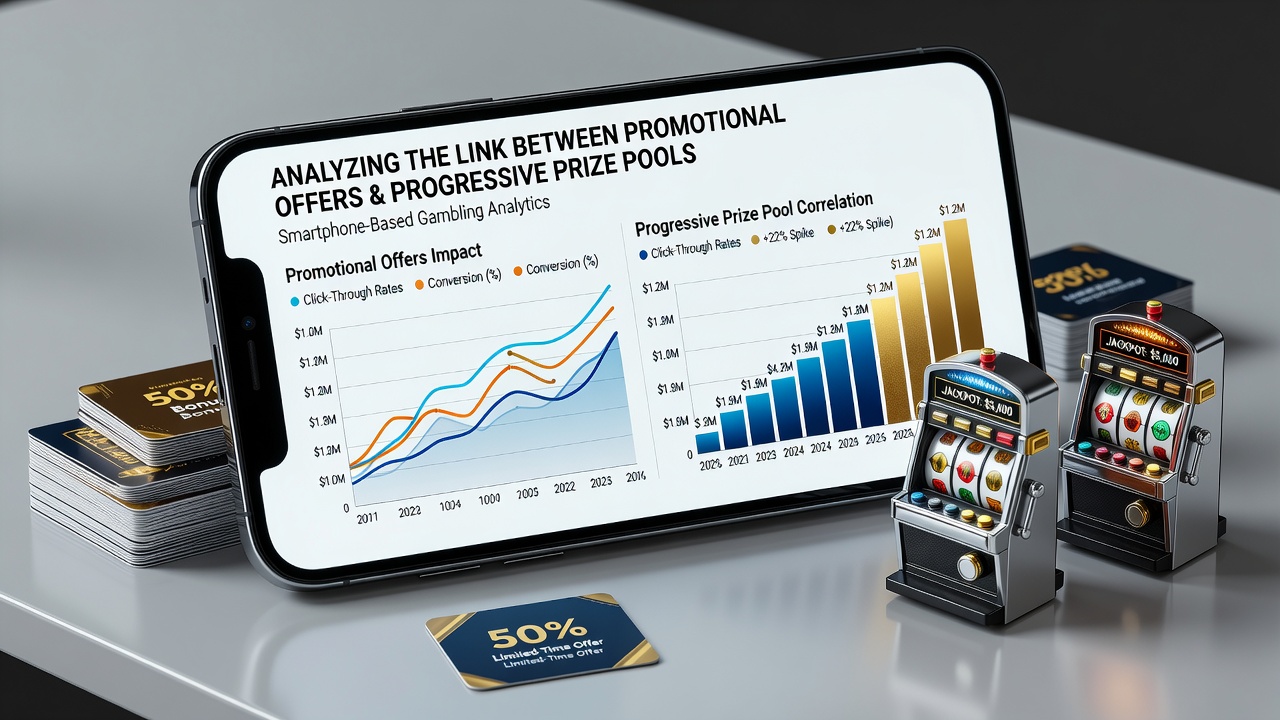
Yet the relationship extends beyond simple volume increases, because some applications apply different contribution rates depending on the funding source of the bet. Technical specifications shared by platform developers indicate that promotional play sometimes carries reduced or zero contribution percentages to the progressive pool, while standard cash wagers maintain full rates. This distinction means the net effect on pool size depends on how operators configure their bonus terms and how players choose to deploy the offers. Data from the New Jersey Division of Gaming Enforcement illustrates periods where high promotional uptake coincided with only modest pool growth when a large share of activity occurred under reduced-contribution rules.
Regional Regulatory Influences on Offer Design
Regulatory frameworks in various jurisdictions shape the way promotional offers interact with progressive systems inside mobile gambling apps. In regions overseen by the Alcohol and Gaming Commission of Ontario, for instance, rules require clear disclosure of contribution percentages, which allows players to understand how their promotional wagers affect shared prize pools. Similar transparency measures appear in guidelines from the Queensland Government, where operators must report aggregate contribution data that researchers can then cross-reference with campaign timelines. These requirements create datasets that demonstrate the extent to which incentives drive measurable changes in jackpot accumulation rates.
Operators adjust offer structures in response to these rules, often timing bonus releases to coincide with anticipated high-traffic periods such as major sporting events or seasonal holidays. Records maintained by the European Gaming and Betting Association show that coordinated promotional windows in 2026 produced synchronized spikes in mobile progressive pools across multiple jurisdictions, even when individual markets maintained distinct contribution formulas. The resulting data sets provide analysts with opportunities to isolate the impact of specific incentive types while holding other variables relatively constant.
Technical Integration and Player Behavior Tracking
Smartphone applications employ backend systems that log every wager against its funding origin, enabling operators to calculate precise contributions to progressive meters even when promotional funds mix with cash balances. Developers implement these tracking features through segmented ledgers that separate bonus-derived activity from standard play, and the resulting metrics feed both compliance reports and internal performance dashboards. Studies conducted by university-affiliated gambling research units have examined anonymized session data to determine whether players who receive frequent offers exhibit different wagering patterns on progressive titles compared with those who do not.
Evidence collected through these methods suggests that promotional triggers can extend session lengths, thereby multiplying the number of contribution-eligible wagers placed before a player exits the application. When combined with features such as push notifications that alert users to rising jackpots, these extended sessions compound the effect on pool totals. Figures from multiple operators indicate that the largest progressive growth phases often occur during the final days of limited-time offers, when accumulated bonus funds reach their playthrough deadlines and players increase activity to meet requirements.
Conclusion
The documented connections between promotional offers and progressive prize pools rest on verifiable contribution mechanics, regulatory reporting requirements, and aggregated behavioral data from smartphone platforms. As mobile gambling applications continue to refine their integration of incentives with shared jackpot systems, the available statistics provide clear pathways for understanding how one element influences the other without relying on interpretive claims. Ongoing collection of contribution figures by authorities in North America and Australia supplies researchers with expanding datasets that track these dynamics through October 2026 and beyond.